

What a Kitchen Remodel in Gwinnett County, GA Actually Costs — And Where the Money Really Goes
Nobody wants to be the homeowner who asked what a kitchen costs and got told “it depends.” So here is the honest version — the ranges, what actually drives them, and the three line items that quietly decide your final number.
If you have started pricing a kitchen remodel around Gwinnett County, you have probably already collected a confusing spread of numbers. One company quotes $28,000. Another quotes $71,000. Both of them are looking at the same room.
That gap is not usually dishonesty. It is scope — what each estimate quietly includes and excludes. Once you know where the money actually goes, the spread stops being mysterious and starts being something you can evaluate.
THE HONEST RANGES FOR A GRAYSON KITCHEN
For a typical Gwinnett County home with a kitchen in the 180–250 square foot range, here is roughly where projects land:
- Cosmetic refresh — new counters, backsplash, hardware, paint and fixtures, keeping the existing cabinet boxes and layout.
- Mid-range full remodel — all-new semi-custom cabinetry, quartz, tile, lighting and appliances, with the layout largely staying put.
- High-end or layout-changing remodel — custom cabinetry, premium stone, walls moved or removed, plumbing and electrical relocated, structural work involved.
The jump between those tiers is almost never driven by the finishes you are imagining. It is driven by whether anything moves.
WHERE THE MONEY ACTUALLY GOES
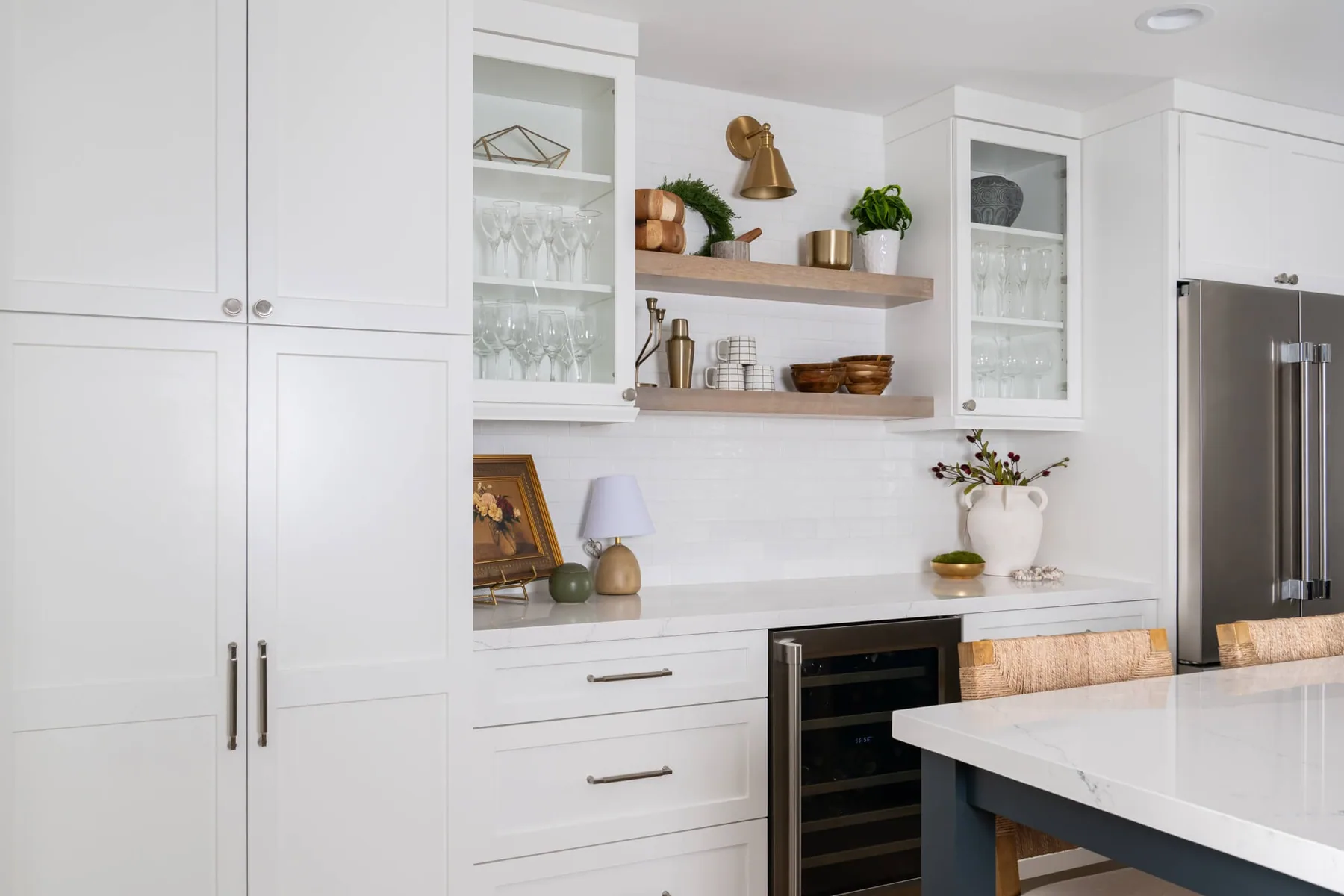
1. Cabinetry — usually 30 to 40 percent
Cabinetry is almost always the largest single line item, and it is where the widest quality range exists. Stock, semi-custom and custom are genuinely different products: box construction, drawer glides, door material and finish durability all change.
The practical advice: spend here before you spend on appliances. A beautiful range in mediocre cabinets reads as a mismatch. Good cabinets with a mid-tier range reads as a well-built kitchen.
2. Countertops and tile — usually 10 to 20 percent
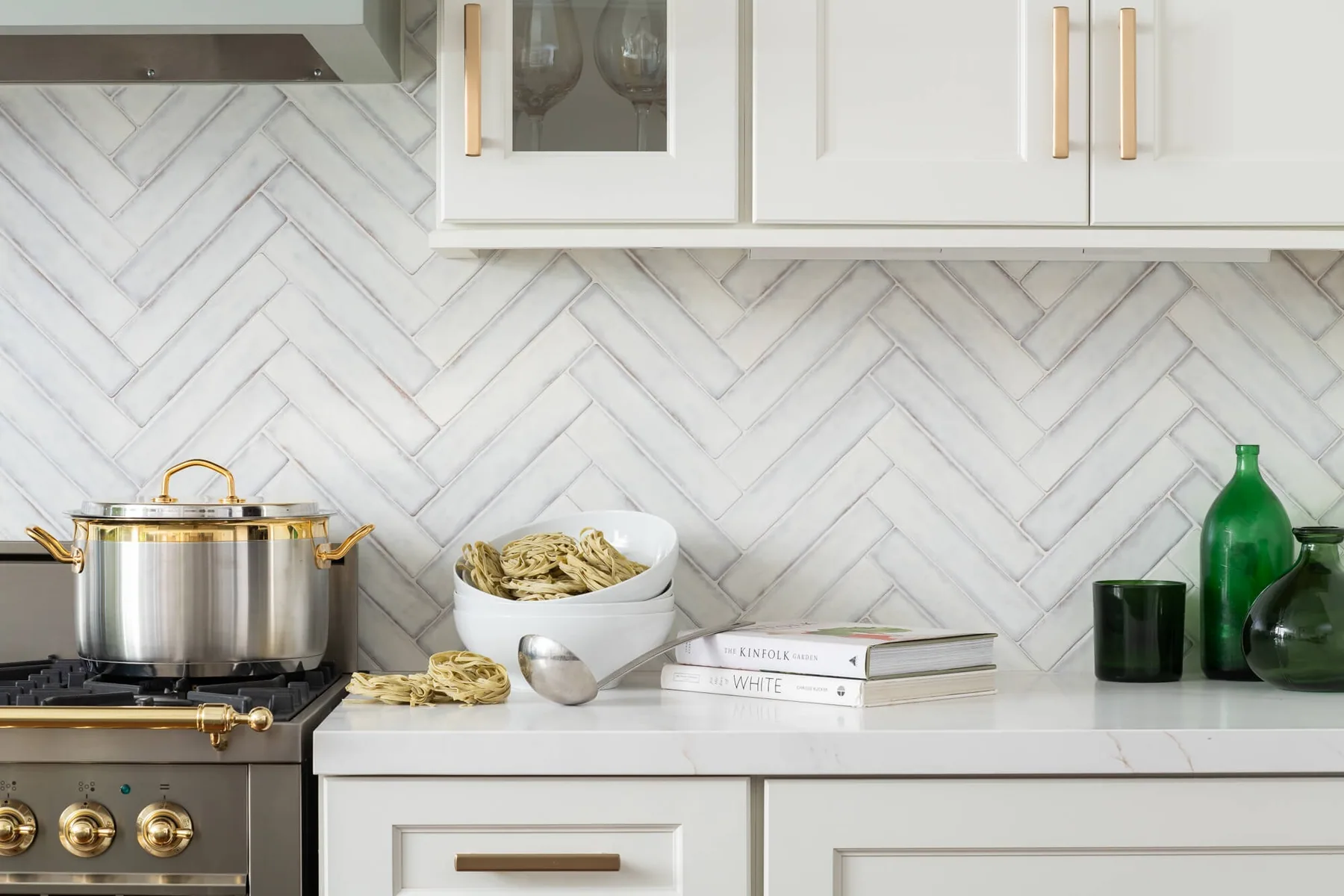
Quartz has become the default for good reasons we cover elsewhere, and the price spread within quartz is largely about pattern and brand rather than performance. Tile is where budgets quietly inflate: a $14 per square foot backsplash tile is not four times better than a $3.50 one, but it may well be four times harder to install.
3. Labour and the trades — usually 25 to 35 percent
This is the line homeowners scrutinise hardest and understand least. It covers demolition, carpentry, electrical, plumbing, tile setting, painting, project management and the protection and cleanup nobody thinks about until it is missing.
When one estimate is dramatically cheaper than another, this is usually the line where the difference lives.
The cheapest estimate is rarely the cheapest project. It is simply the estimate that asked you the fewest questions.
THE THREE THINGS THAT QUIETLY MOVE YOUR NUMBER
Moving plumbing or gas
Relocating a sink to an island or moving a gas line for a range means opening floors, running new supply and drain lines, and getting it inspected. It is routine work, but it is not a small line item, and it is the most common reason a “simple” kitchen becomes a mid-tier one.
Removing a wall
If the wall is load-bearing, you are adding a beam, columns, possible footing work and an engineer’s involvement. The visual payoff is enormous. The cost is real. Find out early which category your wall is in — before you fall in love with a layout that depends on it.
Electrical that is older than you expected
Many homes in the older parts of Gwinnett and Walton counties have kitchens running on far fewer circuits than a modern kitchen requires. Once we open the walls, bringing it up to current requirements is not optional. A good estimate anticipates this. A cheap one discovers it.
HOW TO COMPARE TWO QUOTES THAT LOOK NOTHING ALIKE
Put them side by side and look for these, in this order:
- Allowances. What dollar figure is assumed for cabinets, counters, tile and fixtures? Lowball allowances are the single most common way an estimate is made to look cheap.
- Permits. Included or excluded? Unpermitted work becomes your problem at closing, not the contractor’s.
- Electrical and plumbing scope. Is anything being brought up to code, or is the estimate assuming everything behind the wall is fine?
- Demolition and disposal. Dumpsters and haul-away are real costs that some bids simply leave out.
- Protection and cleanup. Dust barriers, floor protection and daily cleaning are labour. If they are not in the estimate, they may not be in the project.
If one quote is meaningfully lower, ask the lower bidder what the higher one included that they did not. A good contractor will answer that question directly.
WHERE WE TELL CLIENTS TO SPEND AND WHERE TO SAVE
- Spend on cabinetry, layout and anything inside a wall. These are expensive and disruptive to change later.
- Spend on lighting design. It costs comparatively little and changes how the room feels more than almost anything else.
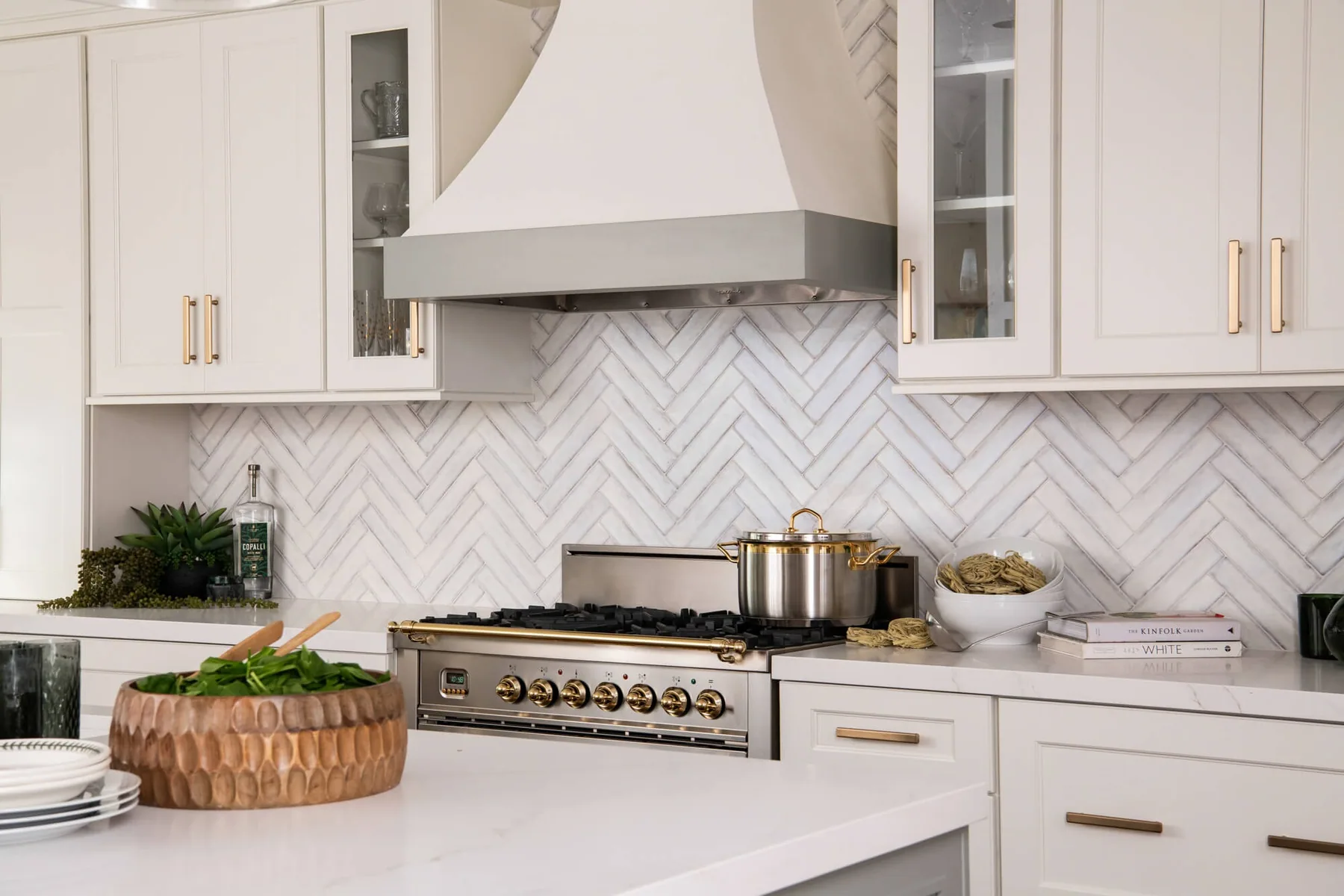
- Save on the backsplash tile. Simple tile set perfectly beats elaborate tile set adequately, every time.
- Save on appliances if you must. They are the easiest thing in the room to upgrade in five years.
- Never save on permits, electrical or waterproofing. Those are not finishes. They are the parts you cannot see and cannot easily fix.
A realistic planning note: set aside roughly ten percent of your budget as a contingency for what is found behind the walls. On most kitchens it is not fully used. On a home built before 1990, it frequently is — and having it set aside is the difference between an adjustment and a crisis.
THE PART NO ESTIMATE SHOWS YOU
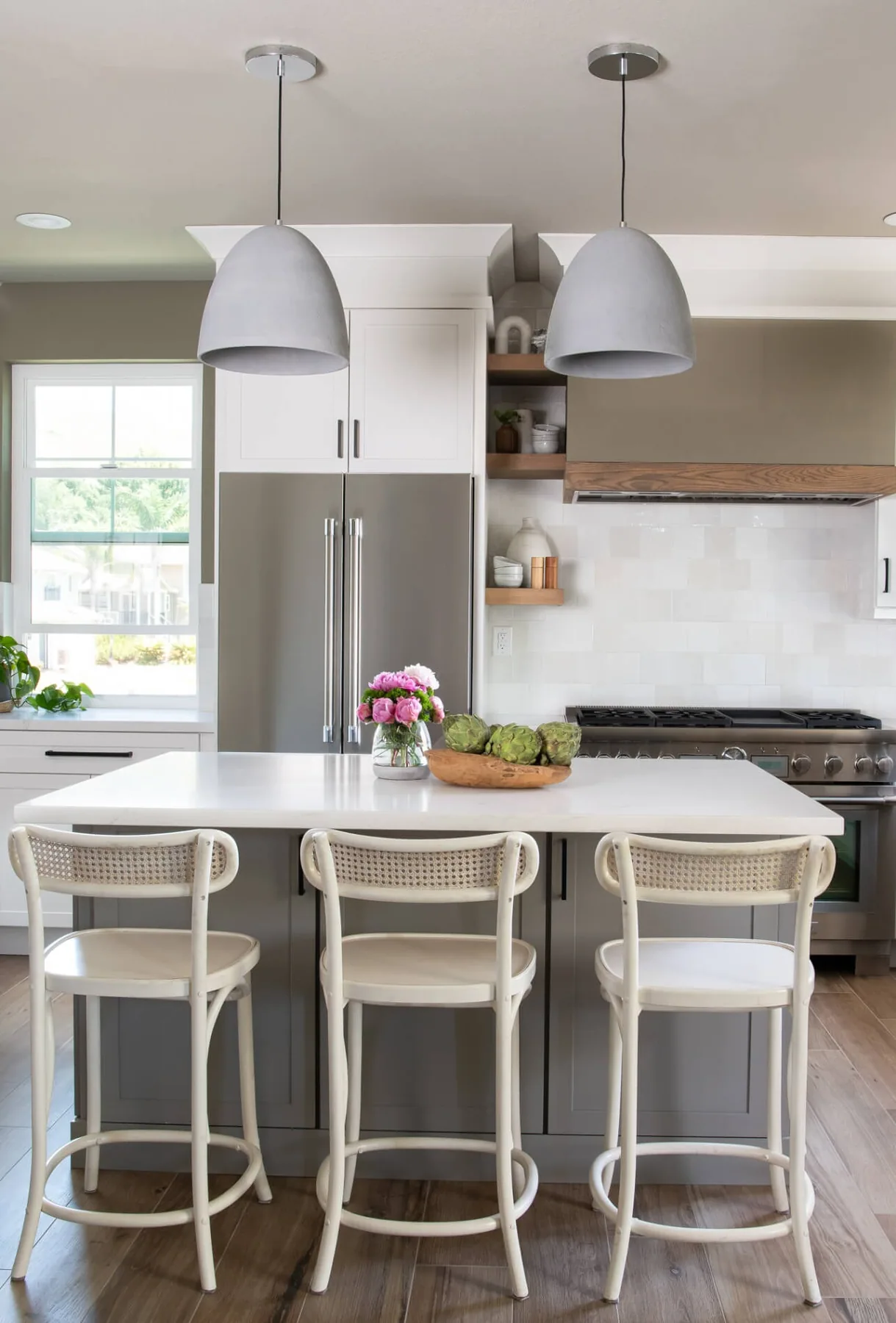
Two kitchens built to the same budget can feel entirely different, and the variable is not money. It is whether the island overhang was sized for the stools you actually own, whether the backsplash was centered on the range or on the wall, and whether the under-cabinet lighting sits far enough forward to light the counter.
Those decisions are free. They just require someone who is thinking about the finished room rather than the next task on the schedule — which is, in the end, the thing you are actually paying for.
SERVING GRAYSON AND THE SURROUNDING COMMUNITIES
JVR Signature Renovations designs and builds kitchens throughout Gwinnett County — Lawrenceville, Loganville, Snellville, Dacula and Lilburn — plus Monroe, Bethlehem, Auburn, Stone Mountain, Tucker, Duluth, Suwanee and Conyers — roughly a 20-mile radius across Gwinnett, Walton, Barrow, DeKalb and Rockdale counties.
 Start Your Renovation
WANT A REAL NUMBER FOR YOUR KITCHEN?
Made for gathering.
Tell us what room you have in mind and roughly when you would like to start. Janet reads every message personally and will come back to you with clear next steps — not a sales pitch. Consultations and estimates are always free.
Gwinnett County, Georgia · Serving a 20-mile radius