

What the First 30 Days of a Renovation Should Look Like — A Gwinnett County Homeowner’s Guide
Most renovation anxiety is not about craftsmanship. It is about not knowing what is supposed to be happening. Here is what a well-run first month actually looks like, so you can tell the difference between normal and not.
Homeowners rarely complain that a contractor built something badly. They complain that nobody told them what was going on. Weeks where nothing visible happens. Trades who arrive without warning. A schedule that was mentioned once and never again.
Almost all of that is preventable, and most of it is decided in the first thirty days.
BEFORE DAY ONE: WHAT SHOULD ALREADY BE DONE
The most important thing about a well-run renovation happens before anyone picks up a tool. By the time demolition starts, these should all be settled:
- A signed contract with a line-item scope — not a one-page total
- Every major selection made: cabinetry, stone, tile, fixtures, flooring, paint
- Permits applied for, or already issued
- Long-lead materials ordered, with delivery dates in writing
- A written schedule showing phases and which spaces are unavailable when
- An agreed single point of contact and how often you will hear from them
The single biggest predictor of a smooth renovation is whether materials are on site before demolition begins. A kitchen sitting open for three weeks waiting on backordered cabinets is the most common version of a project going wrong, and it is entirely an ordering problem.
WEEK ONE: PROTECTION, DEMOLITION, DISCOVERY
Days 1–2 — setup
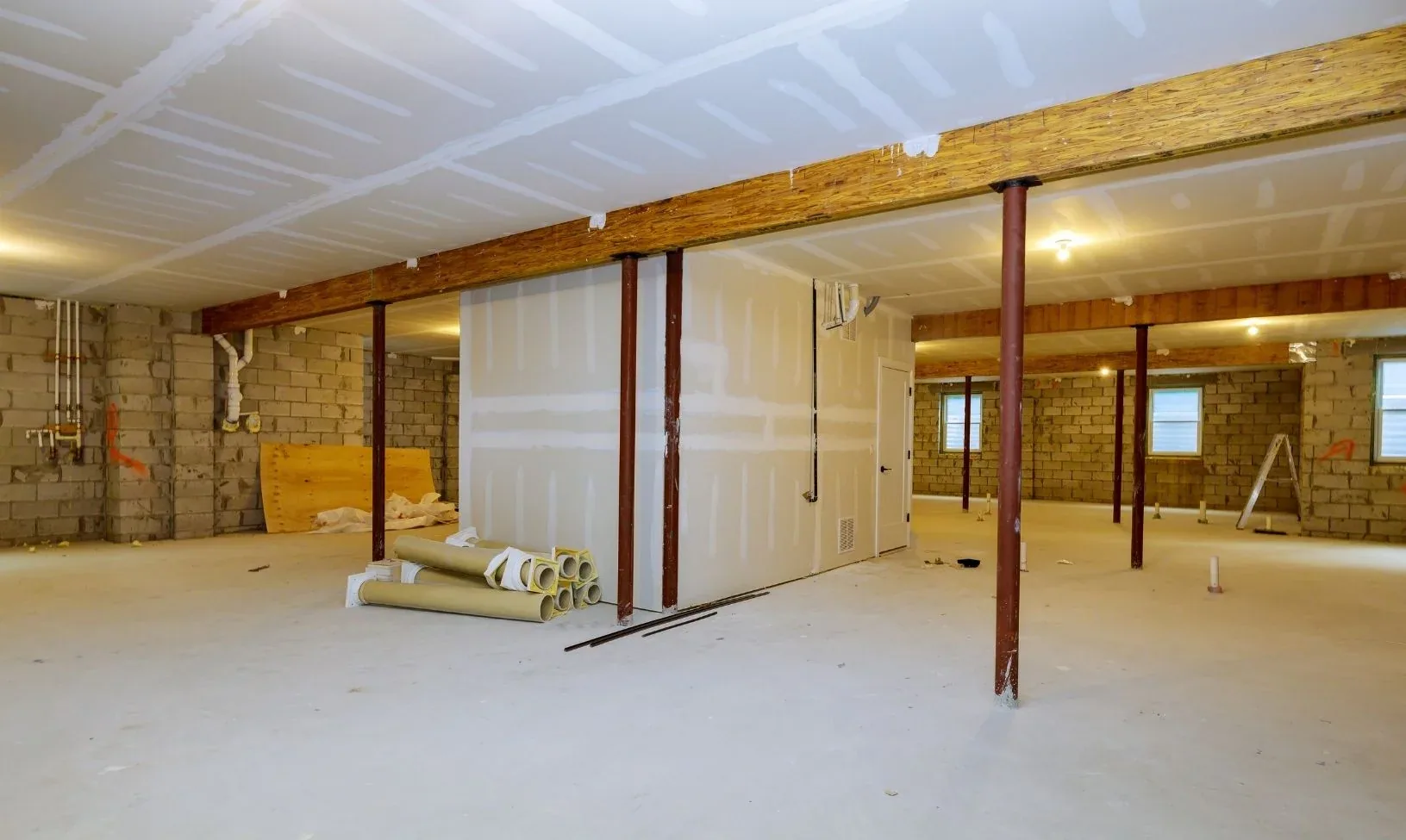
Before any demolition: dust barriers sealed at the work zone boundary, floors and stair treads protected along the route in and out, HVAC returns in the work area sealed, and a dumpster or disposal plan in place.
If demolition starts before protection goes up, that tells you how the rest of the project will be run.
Days 2–5 — demolition
This is the loud, fast, satisfying part. It is also the only phase where progress is obvious every single day, which is worth knowing because the next few weeks will not look like much.
The discovery conversation
Somewhere in week one, in most homes, something gets found: old plumbing, undersized electrical, previous work that was not permitted, water damage behind a wall, framing that was modified by someone’s cousin in 1994.
What should happen: work stops in that area, you are shown exactly what was found, and the fix is priced in writing before anything continues. What should not happen: it gets quietly handled and appears as a line item at the end.
Old houses hide things. How a contractor handles the discovery is the real test, not whether anything was found.
WEEK TWO: ROUGH-IN
Plumbing, electrical, HVAC and any framing changes. This is the most important week of the project and the one where the least appears to happen.
Walls are open, wires and pipes go in, nothing looks finished and the space may genuinely look worse than it did after demolition. This is normal. Everything that happens in week two gets buried and becomes expensive to change later, which is exactly why it should not be rushed.
This is also the right moment to walk the space yourself. Outlet heights, switch locations, where the pendant boxes landed, whether the niche is centred. Moving a box now takes five minutes. Moving it after tile is a different conversation.
WEEK THREE: INSPECTIONS, THEN CLOSING UP
Rough-in inspections happen before anything is covered. The schedule depends partly on the county, which is outside anyone’s control — but your contractor should be telling you when inspections are booked, not leaving you to wonder why the site is quiet.
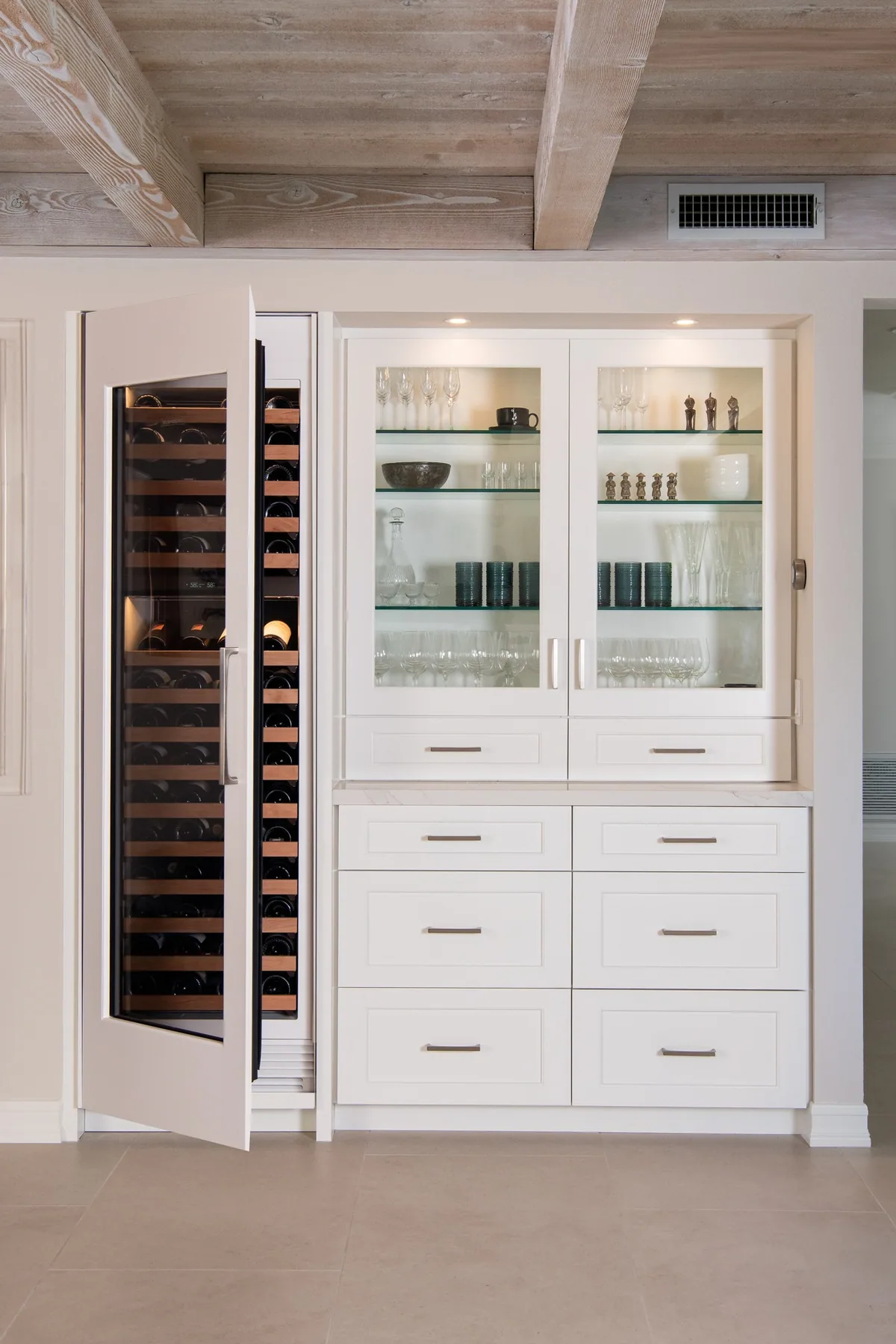
Once signed off: insulation, drywall, then the first finishing work. The room starts to look like a room again, and most homeowners’ morale recovers sharply.
WEEK FOUR: FINISHES BEGIN
Tile, cabinetry, flooring depending on the project. Progress becomes visible daily again and the end starts to feel real.
A caution worth hearing now: the last ten percent takes longer than it looks like it should. Stone has to be templated after cabinets are set, then fabricated. Glass is templated after tile. Paint touch-up comes after everything else. A room that looks ninety percent done is frequently two to three weeks from finished, and that is not a sign anything has gone wrong.

WHAT GOOD COMMUNICATION LOOKS LIKE
- A weekly update whether or not there is news — silence is what breeds anxiety
- Immediate contact when anything changes, before you notice it yourself
- A posted schedule you can look at without having to ask
- One named person responsible, not a rotating cast
- Written pricing for any change, approved by you before work proceeds
- Honest answers about delays, including the ones that are the contractor’s fault

RED FLAGS IN THE FIRST THIRTY DAYS
- Demolition beginning before materials are ordered
- No protection or dust containment on day one
- Verbal change orders with no written pricing
- Multiple consecutive days with nobody on site and no explanation
- You having to ask, every time, what is happening next
- Discovered problems handled without showing you first
One thing worth doing yourself: take photographs of every wall during rough-in, before insulation and drywall go in. Five minutes now saves you guessing where a pipe or wire runs every time you hang something for the next twenty years.
SERVING GRAYSON AND THE SURROUNDING COMMUNITIES
JVR Signature Renovations designs and builds kitchens throughout Gwinnett County — Lawrenceville, Loganville, Snellville, Dacula and Lilburn — plus Monroe, Bethlehem, Auburn, Stone Mountain, Tucker, Duluth, Suwanee and Conyers — roughly a 20-mile radius across Gwinnett, Walton, Barrow, DeKalb and Rockdale counties.
 Start Your Renovation
WANT TO KNOW HOW YOUR PROJECT WOULD RUN?
A better renovation experience.
Tell us what room you have in mind and roughly when you would like to start. Janet reads every message personally and will come back to you with clear next steps — not a sales pitch. Consultations and estimates are always free.
Gwinnett County, Georgia · Serving a 20-mile radius